
Huntersville Periodontal Treatment Procedures
The Smile Architects provide periodontal procedures for patients in Huntersville, NC. Call our office at 704-875-1621 to ask questions or set up a dental visit.
Healthy gums support your oral health and can play a role in your overall wellness. Gum disease is common, though it can often be prevented with consistent care. Periodontal therapy allows your dental team to address gum disease early, before it develops into a larger health concern.
Brushing and flossing at home go a long way toward keeping your teeth and gums healthy, but even careful home care cannot remove all plaque and bacteria on its own. Plaque that is left in place can harden into calculus over time. Because of this, we typically recommend a periodontal maintenance schedule tailored to your needs, based on factors like how quickly calculus tends to build up and your periodontal history. Maintenance visits generally include an oral exam along with a professional cleaning.
In addition to non-surgical periodontal therapy, our office offers cosmetic periodontal procedures such as crown lengthening, soft tissue grafts, and bone grafting. These procedures may help improve the appearance of your smile by addressing concerns like teeth that appear too long or too short, an uneven gum line, gum recession, exposed roots, and indentations in the gum or jawbone.
Scaling and Root Planing for Gum Disease
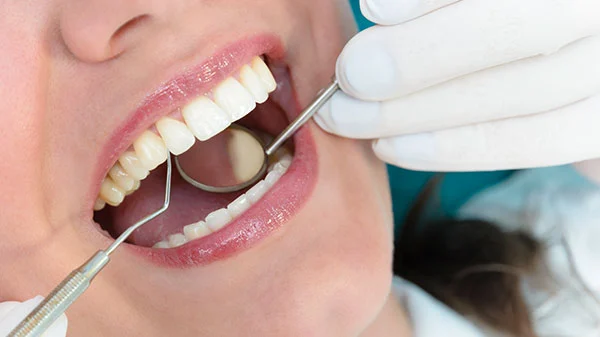
Scaling and root planing can be used to treat mild to moderate cases of gum disease. This treatment clears plaque away from the tooth root below the gum line, which helps keep bacteria from finding a rough surface to cling to.
During scaling, dental instruments are used to clear away plaque and calculus buildup from beneath the gums. Root planing follows, smoothing the tooth root so the gum tissue can heal and reattach more easily to a cleaner surface.
Periodontal Splinting for Loose Teeth
Periodontal splinting can help stabilize teeth that have loosened due to bone loss from periodontal disease. Your dentist will determine whether splinting is needed. In many cases, careful management of the underlying gum disease allows the teeth to become more stable on their own. When splinting is recommended, it may involve a stabilizing wire or ribbon, composite resin, crowns, inlays or onlays, and veneers to help hold your teeth in place.
Arestin® Antibiotic Therapy
Some benefits of ARESTIN® can include the following.
- No local anesthesia is required
- No adhesive is required
- No dressing is required
- No removal is necessary, since the microspheres are fully bioresorbed by the body
- It may remain active in the pocket for an extended period of time
Crown Lengthening Procedure

Crown lengthening is a procedure often used to expose more of a tooth’s structure. It involves removing gum tissue, bone, or both to reveal additional tooth surface.
Gum Grafting for Gum Recession
Gum grafting addresses root exposure that results from gum recession. Tissue is taken from the roof of the mouth or from gum tissue near the affected tooth and then stitched into place to help repair the gum line.
Bone Grafting for Jaw Support
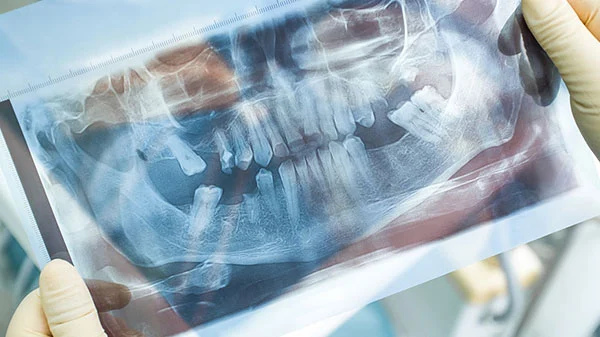
Bone grafting can replace, rebuild, or add to the bone surrounding your teeth. When a tooth is lost, the bone in that area can begin to collapse over time. Graft material may come from another part of the body or from a synthetic source. Bone grafting helps provide the support needed for dental implants or other prosthetic teeth.
Osseous Surgery, Also Known as Pocket Depth Reduction
Bone Regeneration Procedure
Bone regeneration is a surgical periodontal procedure aimed at rebuilding the jawbone and the tissue around it. It is often recommended to help protect existing teeth and supporting tissue from bacterial plaque, and it involves gently folding back the gum tissue so the bacteria causing the disease can be removed. Membranes, bone graft material, or tissue-stimulating proteins may then be used to support your body’s natural ability to regrow bone and tissue.
Ridge Preservation After Tooth Extraction
Ridge preservation involves placing a bone grafting material into the socket left behind after a tooth is removed. This helps rebuild the area weakened by the extraction and supports your body’s own ability to regenerate bone over time.
Common Questions About Periodontal Treatment
How can gum disease be prevented?
Good dental care can help prevent periodontal disease, including regular checkups. You can support healthy gums by visiting your dentist twice a year, flossing daily, brushing your teeth twice a day, and using a mouthwash. Limiting sugar intake and avoiding tobacco use can also help.
What typically causes gum disease?
Gum disease is often linked to inadequate dental hygiene, smoking, or a diet high in sugar. Family history, hormonal changes such as those related to pregnancy, certain chronic illnesses, and some medications can also increase the risk of developing periodontal disease.
How does gum grafting help with periodontal disease?
Gum grafting can restore gum tissue that has receded away from the teeth as a result of gum disease. Since gum recession is typically caused by periodontal disease, grafting may help prevent further recession and reduce the risk of damage to the surrounding teeth and bone.
Looking for a dentist in Huntersville, NC? Contact us today to schedule an appointment.
Ready to Schedule Your Visit?
Call our Huntersville office or request an appointment online.