Living with sleep apnea can keep you from feeling like yourself. Even after going to bed early and logging plenty of hours, you may still wake up exhausted, and that tired, foggy feeling can follow you through the entire day. This is not something you are imagining. When you have sleep apnea, your breathing repeatedly pauses throughout the night, which can wake you up dozens of times without you even realizing it, preventing the deep, restorative rest your body needs.
Fatigue is only part of the picture. Untreated sleep apnea can also be associated with a greater risk of heart attack, stroke, obesity, high blood pressure, and mood disorders, which is exactly why finding effective treatment matters so much. So what treatment options actually work best, and how can you start feeling more like yourself again?
How a Dentist Can Help With Sleep Apnea Treatment
Many people do not realize that a dentist can play a central role in treating sleep apnea, yet in many cases, a simple adjustment to the position of the lower jaw is enough to make a real difference.
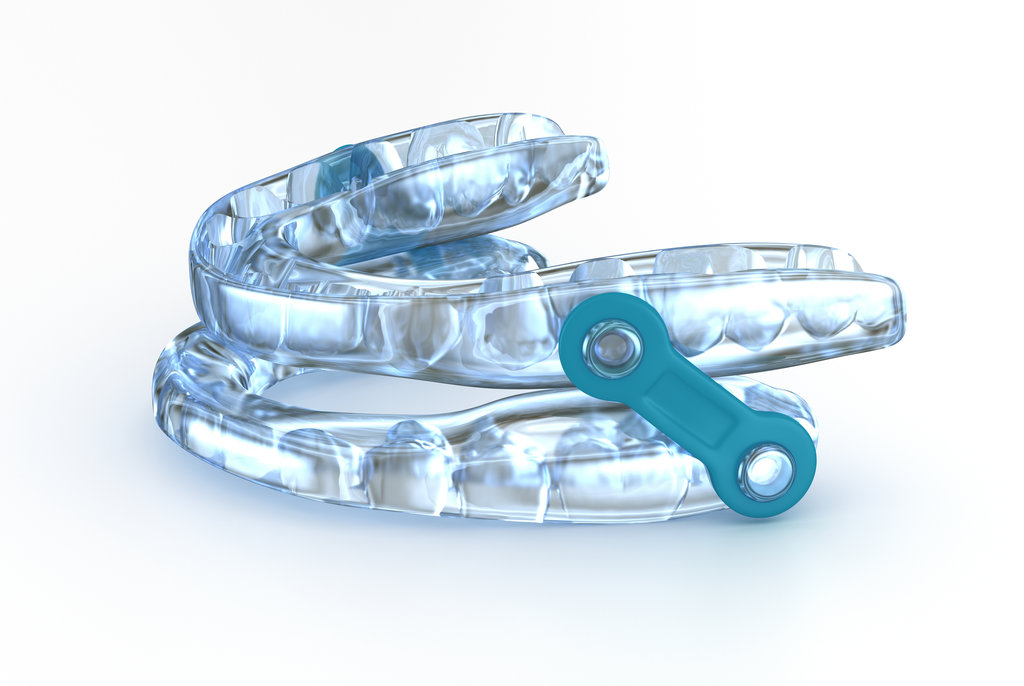
Dental training covers far more than caring for teeth. It also includes the anatomy of the jaw and how to correct issues with its alignment. One option we offer is oral appliance therapy, designed to ease the symptoms of sleep apnea. This treatment relies on a custom oral appliance, sometimes called a nightguard or mouthguard, that is fabricated using impressions of your teeth or jaw. Worn each night, the appliance repositions your lower jaw so that it engages the soft tissue in your airway that can block your breathing during sleep.
At The Smile Architects, we offer the OPTISLEEP system, an appliance designed to encourage nasal breathing. Compared to many other options, it is less bulky and can also help control loud snoring, which makes it a potential solution even for patients who do not have sleep apnea but do struggle with snoring at night. Rather than taking traditional impressions, we use digital scans to capture the images needed for fabrication. Many patients respond well to OPTISLEEP, and we are glad to offer this technology at our practice.
Comparing Oral Appliance Therapy and CPAP Therapy
You would not be alone if oral appliance therapy is new to you. Plenty of patients assume that, apart from more invasive surgical procedures, CPAP therapy is the only real treatment available for sleep apnea.
CPAP therapy can be effective, though it also carries some notable drawbacks. Some patients find it uncomfortable to sleep with a CPAP machine, and side effects such as dry mouth and nosebleeds are not uncommon. Traveling with the equipment can also be inconvenient, and certain patients report feeling anxious or claustrophobic while using it.
Because of these challenges, many patients end up discontinuing CPAP use altogether or use it inconsistently. Oral appliance therapy tends to be easier to stick with, which can help you get the restorative sleep needed to take on each day.
Explore Your Sleep Apnea Treatment Options
If you would like to find out whether oral appliance therapy could be a good fit for you, reach out to our team or call 704-875-1621 to schedule a consultation.