
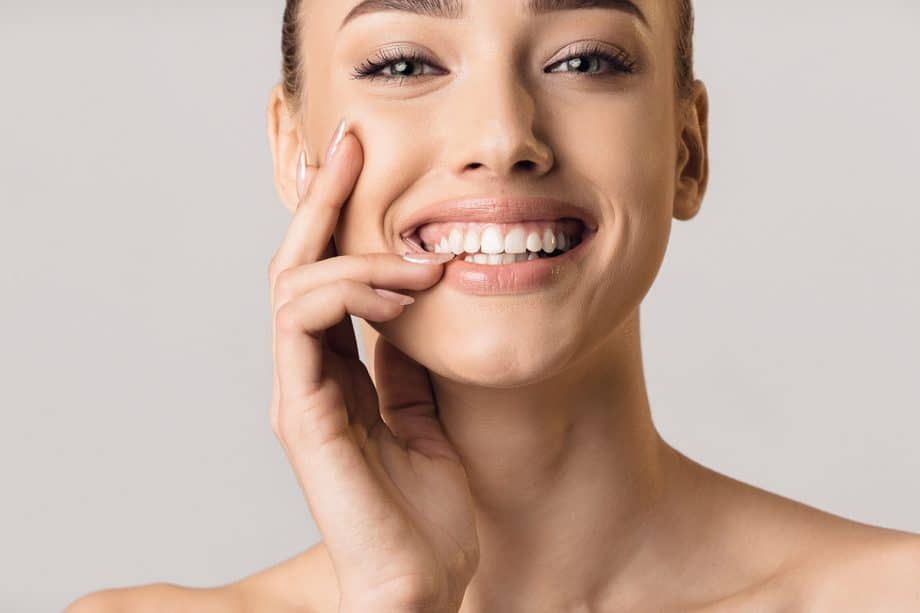
We understand the incredible surge of confidence you feel when you finally see your dream smile in the mirror. A smile makeover marks a significant investment in yourself, both financially and emotionally, and we want you to keep those results pristine for decades. Whether you choose porcelain veneers, dental crowns, teeth whitening, or composite bonding, the longevity of your new look relies heavily on how you care for it once you leave our office.
The first few weeks after your procedure matter most for healing and establishing your new bite. We created this comprehensive guide to help you confidently handle life with your new smile. If you follow these essential dos and don’ts, you will prevent damage, minimize sensitivity, and keep your teeth looking as brilliant as they did on day one.
Handling the Initial Recovery Period
We always tell patients that the first 48 to 72 hours after a procedure set the tone for recovery. You may feel some sensitivity to hot and cold temperatures or notice tenderness in your gums. Your mouth needs time to adjust to these changes, so these sensations are normal. Take over-the-counter pain relievers as we instruct to manage any discomfort. Rinse with warm saltwater to soothe swollen gums and speed up healing. Stick to a soft diet during this stage to avoid putting unnecessary pressure on your new restorations while the bonding agents strengthen.
Managing Sensitivity
Sensitivity is commonly bothersome during the first week. To reduce sensitivity, avoid extreme temperatures in your food and drinks. Let your coffee cool down, and skip the ice in your water for a few days. If you still notice sensitivity, use a desensitizing toothpaste for relief.
- Do take prescribed medications exactly as instructed.
- Do use a cold compress on your outer cheek if you experience minor swelling.
- Do sleep with your head slightly elevated to reduce inflammation.
- Don't ignore persistent pain or an uneven bite; call us immediately if your bite feels "high" or uncomfortable.
Watching What We Eat and Drink
Your new restorations provide strength, but they still have limits. We frequently meet patients who think porcelain veneers or crowns let them eat anything without consequence. However, hard and sticky foods chip, crack, or dislodge dental work. We must remain mindful of our chewing habits to protect the structural integrity of a smile makeover. When you chew on ice, hard candies, or even non-food items like pens and fingernails, you put pressure on dental ceramics and bonding materials that can exceed their tolerance.
Foods and Beverages to Avoid
Staining is also a significant concern, especially for natural teeth surrounding your restorations or for composite bonding materials, which absorb more stains than porcelain. High-quality porcelain resists staining well, but frequent exposure to dark liquids can, over time, discolor the bonding cement at the edges.
- Don't chew directly on hard foods like nuts, raw carrots, or apples; cut them into smaller pieces first.
- Don't consume excessive amounts of dark beverages like red wine, coffee, or black tea without rinsing with water afterward.
- Don't use your teeth as tools to open packages, tear tape, or hold objects.
- Do drink through a straw when consuming staining beverages to minimize contact with your front teeth.
Mastering Long-Term Maintenance
You build a lasting smile makeover on consistent oral hygiene. We never skip brushing and flossing, even with restored teeth. Plaque causes decay under crowns or at the margins of veneers if allowed to accumulate. To prevent gum disease and recession that could expose the edges of your restorations and ruin the look of your smile, you need a strong hygiene routine. We suggest you use a non-abrasive fluoride toothpaste; gritty formulas scratch polished porcelain surfaces over time, stripping away their luster.
Protecting Your Smile While You Sleep
Many people grind their teeth at night without realizing it; this condition is called bruxism. When you grind your teeth, you create tremendous pressure that can fracture even the highest-quality dental work. If we notice signs of wear, we will strongly recommend a custom night guard. Modern cosmetic dentistry delivers incredibly durable solutions, but grinding creates the top threat to porcelain restorations.
- Brush twice daily for 2 minutes using a soft-bristled toothbrush.
- Do floss every single day, ensuring you clean carefully around the gum line of each restoration.
- Do schedule regular professional cleanings and exams every six months so we can monitor the condition of your makeover.
- Don't use mouthwashes containing alcohol, as they can soften composite bonding material over time.
Keeping Your Smile Bright for Life
You and your dental team create a successful smile makeover through partnership. When you follow these guidelines, avoid harmful habits, and maintain impeccable hygiene, you reap the rewards of confidence and health year after year. We craft smiles that transform lives, but your daily care decides how long your transformation lasts. Treat your new smile like any valuable asset, and you will light up the room every time you show it off.
Frequently Asked Questions About Cosmetic Dentistry
How long will my smile makeover results last?
The materials you choose and your maintenance habits determine how long your smile makeover lasts. Porcelain veneers and crowns often last 10 to 15 years, and you can extend their lifespan even further with excellent care. Composite bonding usually lasts about 5 to 7 years because the material resists stains and chips less than porcelain. When you wear a night guard and stick to a strict hygiene routine, you enjoy your results for as long as possible.
Can I still use whitening toothpaste on my veneers?
We generally advise against using whitening toothpastes on porcelain veneers or crowns. Most whitening toothpastes contain abrasive particles that scrub surface stains off natural enamel. Using these products on porcelain can create microscopic scratches that make the surface duller and more prone to staining over time. Whitening agents will not change the color of ceramic materials. We recommend using a gentle, non-abrasive gel toothpaste to keep your restorations polished and clean without causing surface damage.
We at The Smile Architects design custom, radiant smiles that enhance both your appearance and your oral health. Our team works closely with you to develop personalized solutions for all your dental needs. Please reach out to us to schedule your consultation and begin your journey to a brighter, healthier smile!