Medically Reviewed by Dr. Jim Meletiou, DDS on September 23, 2026
Dental implants typically last around 25 years, and in many cases they can last even longer with proper care, though the visible crown portion often needs replacement closer to the 15-year mark due to normal wear. You have probably come across the idea that dental implants can make a real difference in daily life.
These restorations replace missing teeth with alternatives that look natural and function well, which can boost your confidence and help you enjoy the foods you love again. At the same time, most people who look into dental implants quickly discover that they represent a significant financial investment, and understanding what dental implants typically cost in Huntersville is often part of that decision. A treatment built to last for many years tends to justify that cost over time.
What Exactly Are Dental Implants?
Dental implants do more than restore the appearance of a missing tooth. They also help limit the impact that tooth loss can have on the rest of your mouth. Once a tooth is gone, the surrounding teeth lose some of the support that keeps them properly aligned. Without a replacement tooth, such as an implant, the remaining teeth can gradually shift out of position, and this shifting may contribute to additional oral health problems.
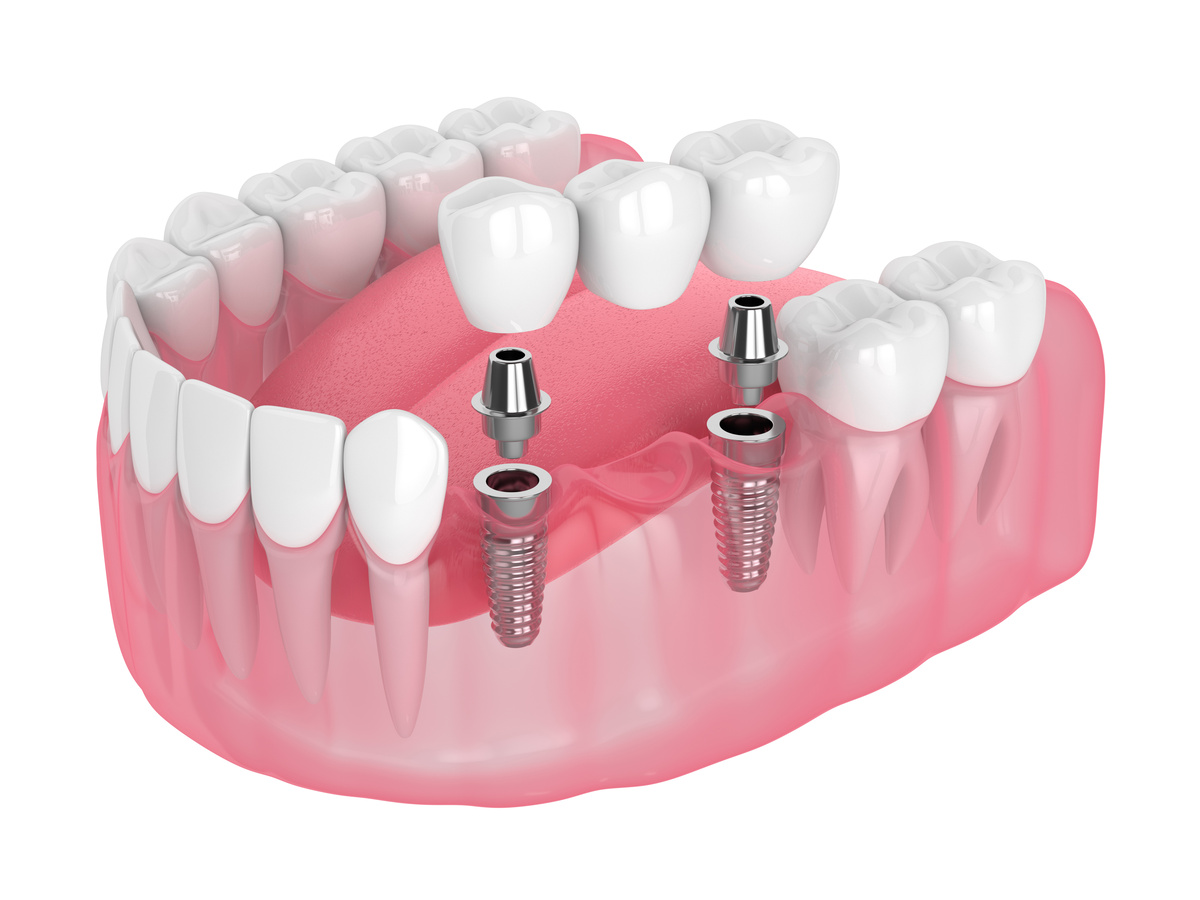
An implant is essentially an artificial tooth that can replace a single tooth or, in some cases, a full set of teeth. It helps hold everything in proper alignment while still looking natural and attractive. On top of that, it typically functions much like a natural tooth as well.
The process begins with a small titanium anchor, often described as an artificial root, being placed into the jaw bone. Over the following months, this anchor typically fuses with the surrounding bone, at which point posts are added so a permanent replacement tooth can be attached. The end result is an artificial tooth designed to look and act like a real one. Patients weighing this option against other tooth-replacement methods often find it useful to compare dental implants against bridges before deciding which route fits their needs.
How to Care for Your Dental Implants
Just like most things, proper care plays a major role in how long your dental implants will last. A few simple oral hygiene habits can go a long way, including:
- Brushing at least twice a day with a soft bristled toothbrush
- Choosing a toothpaste that is low in abrasiveness
- Flossing on a daily basis
- Rinsing daily with an antimicrobial mouthwash
Ways to Help Your Dental Implants Last Longer
On average, dental implants can be expected to last about 25 years, and in many cases they may last even longer with proper care. It is worth keeping in mind, though, that the visible crown portion of the implant will typically need replacement every 15 years or so as a result of normal wear and tear.
Keep in mind that this timeline can vary quite a bit, since several factors influence how long dental implants ultimately last, including the skill and experience of the dentist performing the procedure. Additional factors include the following.
Where the implant is placed. Implants toward the back of the mouth typically handle more chewing force and heavier daily use, while those placed toward the front often experience less stress and may last longer as a result.
How consistently you maintain oral hygiene. Taking care of your teeth truly matters here. Implants tend to last longer when oral hygiene is consistently strong, so brushing, flossing, and keeping up with regular professional cleanings all play an important role.
The density of your jaw bone. Because the titanium anchor needs to fuse securely with the jaw bone to stay strong and stable, patients with lower bone density may sometimes experience more difficulty, particularly as they get older. In some cases, a bone grafting procedure is recommended beforehand to build up a stronger foundation.
Overall health and lifestyle habits. Conditions that affect healing, along with habits such as smoking or teeth grinding, can influence how well an implant integrates with the jaw bone and how long it holds up over time.
Signs an Implant May Need Attention
While implants are built to be long-lasting, it is still worth watching for changes such as looseness, discomfort when chewing, or swelling near the implant site. Catching these signs early and having your dentist evaluate the implant promptly generally leads to a simpler fix than waiting until a bigger problem develops.
Learn More About Dental Implants From The Smile Architects
Whether you are missing a single tooth or all of your teeth, dental implants can often serve as a natural looking alternative worth considering. Since they closely resemble real teeth in both appearance and function, dental implants can play a meaningful role in improving overall quality of life for many patients.
Common Questions About Dental Implants
Can a dental implant fail after many years of normal use?
It is uncommon, but possible. Long-term issues are usually tied to gum disease around the implant, ongoing bone loss, or an injury to the area rather than the implant simply wearing out on its own.
Does the crown wear out faster than the implant post itself?
Yes. The titanium post that fuses with the jaw bone is designed to last decades, while the visible crown experiences ordinary daily wear from biting and chewing, so it is the part most likely to need replacement first.
Is bone loss a concern with dental implants?
A well-integrated implant actually helps preserve jaw bone by transmitting chewing pressure the way a natural tooth root does. Bone loss becomes more of a concern when gum disease develops around the implant, which is why consistent hygiene and regular checkups matter.
Do implants need to be replaced like dentures?
Not typically. Unlike removable dentures, which are generally remade every several years, the implant post is meant to be a permanent fixture, with only the crown portion needing occasional replacement over time.
Ready to Find Out if Dental Implants Are Right for You?
Want to find out if dental implants are right for you? Reach out to The Smile Architects by calling 704-875-1621. Our Huntersville practice has been helping patients restore missing teeth with dental implants for many years.
About the Author
Dentist, The Smile Architects
Dr. Jim Meletiou is a graduate of the University of Iowa College of Dentistry, where he later taught Oral Diagnosis and Radiology. He brings advanced training in Invisalign and cosmetic dentistry to patients at The Smile Architects in Huntersville, NC.