
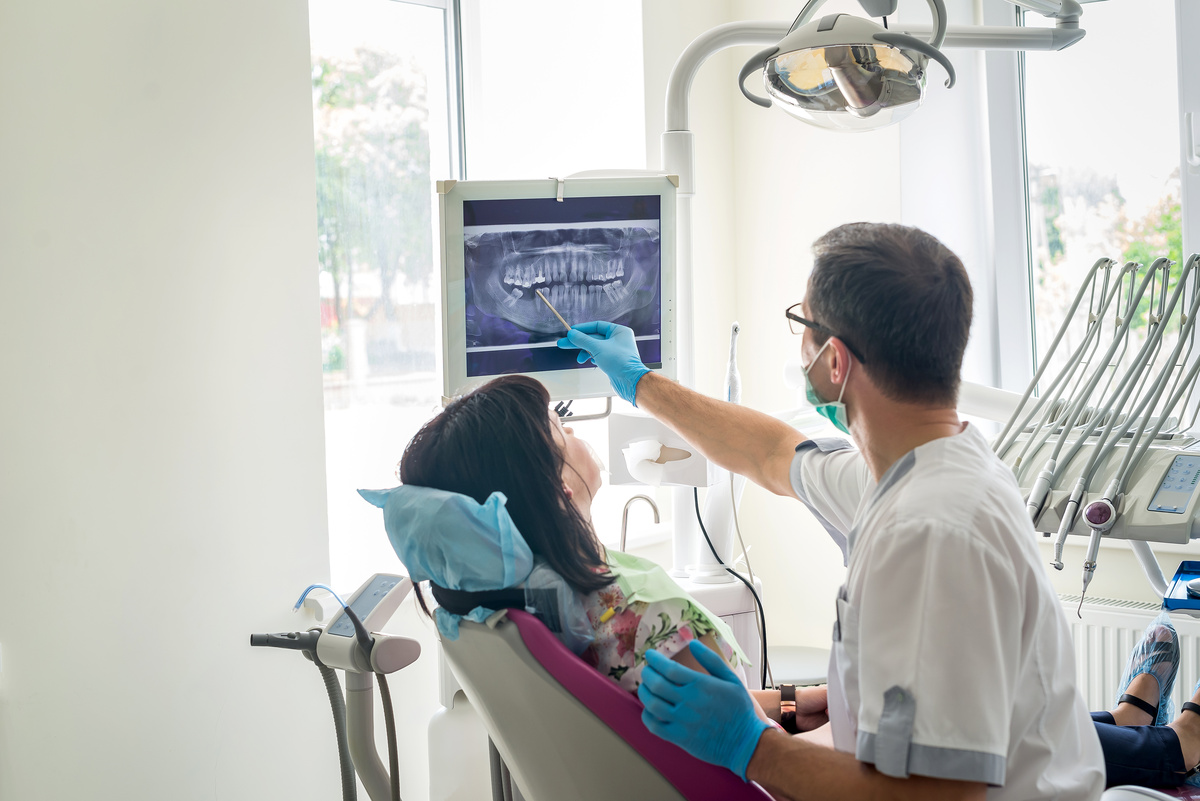
There is a lot more to dentistry than what appears on the surface, which may be why teeth are sometimes compared to an iceberg. The portion visible to the naked eye represents only a small fraction of the whole structure. In much the same way that most of an iceberg sits beneath the waterline, a significant portion of each tooth remains hidden from view.
While some providers concentrate on the visible part of the tooth, others pay close attention to everything beneath it, including the root structure and the gum tissue that supports it. Treatment focused on this hidden area falls under the umbrella of periodontal care.
It may come as a surprise that a tooth can look healthy and attractive on the surface while the structures supporting it underneath quietly need substantial dental care. Below are four signs that can indicate periodontal treatment may be needed.
1. Bleeding Gums
Apart from an accidental bump or another obvious cause, healthy gums generally should not bleed. When bleeding shows up during brushing or flossing, it can often point to periodontal disease.
Pus pockets or painful abscesses forming along the gumline can also suggest an infection, and this typically warrants an evaluation for gum disease.
2. Inflamed Gums
Healthy, thriving gum tissue tends to look firm and pink. Redness, swelling, or soreness in the gums can, in many cases, point to periodontal disease as well. Gums that have begun to recede are a clear signal that something is wrong.
Tender or painful gums are never something to consider normal. Anyone noticing these signs should seek treatment promptly, since delaying care can increase the risk of tooth loss.
3. Bad Breath That Will Not Go Away
Halitosis, better known as bad breath, is a concern that most people would rather avoid altogether. When it persists no matter how often someone brushes or flosses, it can sometimes signal an underlying issue.
For anyone who has already improved their oral hygiene routine, added mouthwash, and reached for mint gum or mints without relief, reaching out to a dentist is a good next step. Bad breath can stem from a number of causes, and periodontal disease is one of them.
4. Teeth That Feel Loose
As periodontal disease advances, the likelihood of the gums pulling away from the teeth tends to increase. This separation can create pockets where bacteria collect and gradually break down the structures that keep teeth in place.
Teeth may start to feel loose and shift out of their normal position, which is a fairly common occurrence at this stage. Without prompt care, teeth affected by late-stage periodontal disease can eventually be lost.
What Lies Beneath the Surface
Given everything that can be happening beneath the surface of a tooth, particularly due to periodontal disease, it becomes clear why this side of dentistry is often likened to an iceberg. A smile can look flawless above the waterline, so to speak, while still concealing issues that are not visible to the eye.
Scheduling regular dental visits for professional cleanings and exams gives these underlying problems a chance to be identified and treated before they progress further. In many cases, addressing gum disease earlier improves the odds of reversing it or stopping its progression.
The team at The Smile Architects has extensive experience treating both what is visible and what lies beneath the gumline. Contact us today to learn how we can help support a healthy, beautiful smile, both in the areas you can see and the ones you cannot.