
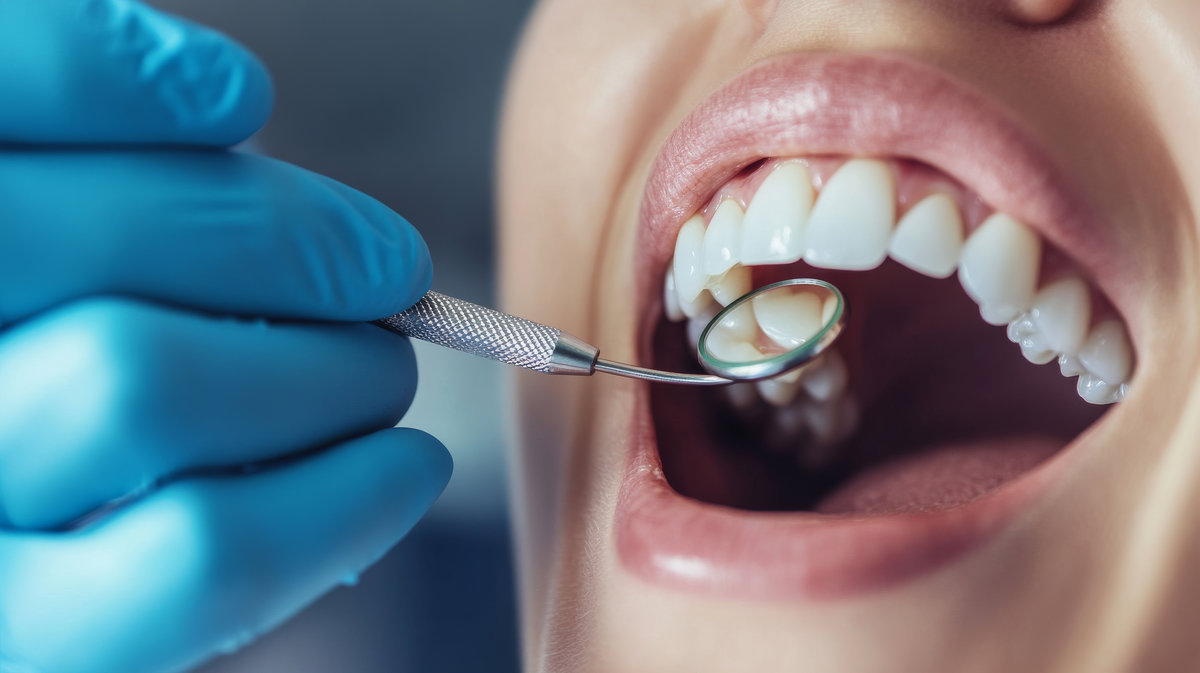
A deep cleaning is a dental procedure designed to improve the health of your teeth and gums. Patients dealing with heavy plaque or tartar buildup, or with gum disease, can often benefit a great deal when their dentist performs this type of cleaning.
For patients who have been diagnosed with gingivitis or early stage periodontitis, undergoing a deep cleaning and then following the oral hygiene routine your dentist recommends afterward can strengthen your gum health and support a smile that stays healthy over the long term.
How a Deep Cleaning Addresses Gum Disease
Gum disease is widespread. According to the CDC, nearly half of all adults over the age of 30 in the United States experience some form of it.
In its earliest stage, bacteria building up along the gumline can lead to swelling and occasional bleeding. When this gingivitis inflammation goes unaddressed, it can progress into a more advanced form of gum disease called periodontitis, as bacteria turns into plaque, and plaque that is not removed eventually hardens into tartar.
When tartar and plaque are allowed to remain, the gum tissue surrounding your teeth can begin to recede, which may cause teeth to loosen and eventually fall out. A deep cleaning can help you avoid reaching that point.
Keeping Gum Disease From Progressing
Brushing and flossing twice a day, combined with keeping up with routine checkups and cleanings from your dental team, goes a long way toward protecting your gums. On top of that, a deep cleaning can target existing plaque buildup, reduce inflammation, and help shrink gum pockets that have deepened over time.
What Happens During a Deep Cleaning Appointment
In its early stages, gum disease can often be reversed through a deep cleaning. During the appointment, your dentist clears away plaque from the surface of your teeth as well as from the pockets that have formed beneath the gumline, typically using a combination of manual instruments and ultrasonic tools. Once the cleaning is finished, your dentist may prescribe antibiotics to help clear up any infection that is present.
Some sensitivity in your gums for a few days to a week afterward is normal, but if you are worried that your teeth might fall out following the procedure, that is typically not the case.
Worried Your Teeth Might Loosen or Fall Out?
This worry often stems from the fact that heavy plaque and tartar buildup can fill the pockets around your gums so thoroughly that your teeth feel almost “locked” into place. Once that buildup is cleared away, your teeth may feel looser by comparison, but that does not mean they are actually likely to fall out.
Even with that temporary feeling of looseness, clearing away the plaque and tartar buildup can allow your gums and roots to reattach more securely to your teeth, which supports better oral health overall.
Put simply, a deep cleaning is not typically something that causes teeth to fall out. Instead, you can generally expect healthier, stronger teeth and a smile that looks better as a result.
Want to Learn More About Deep Cleaning?
If you are noticing inflammation, bleeding, or other signs of gum disease, or if you have been diagnosed with plaque and tartar buildup, it is best not to wait, since gum disease tends to become more severe when it goes untreated. Contact our team at Smile Architects today to schedule an appointment. We are always glad to help you keep your smile healthy.