
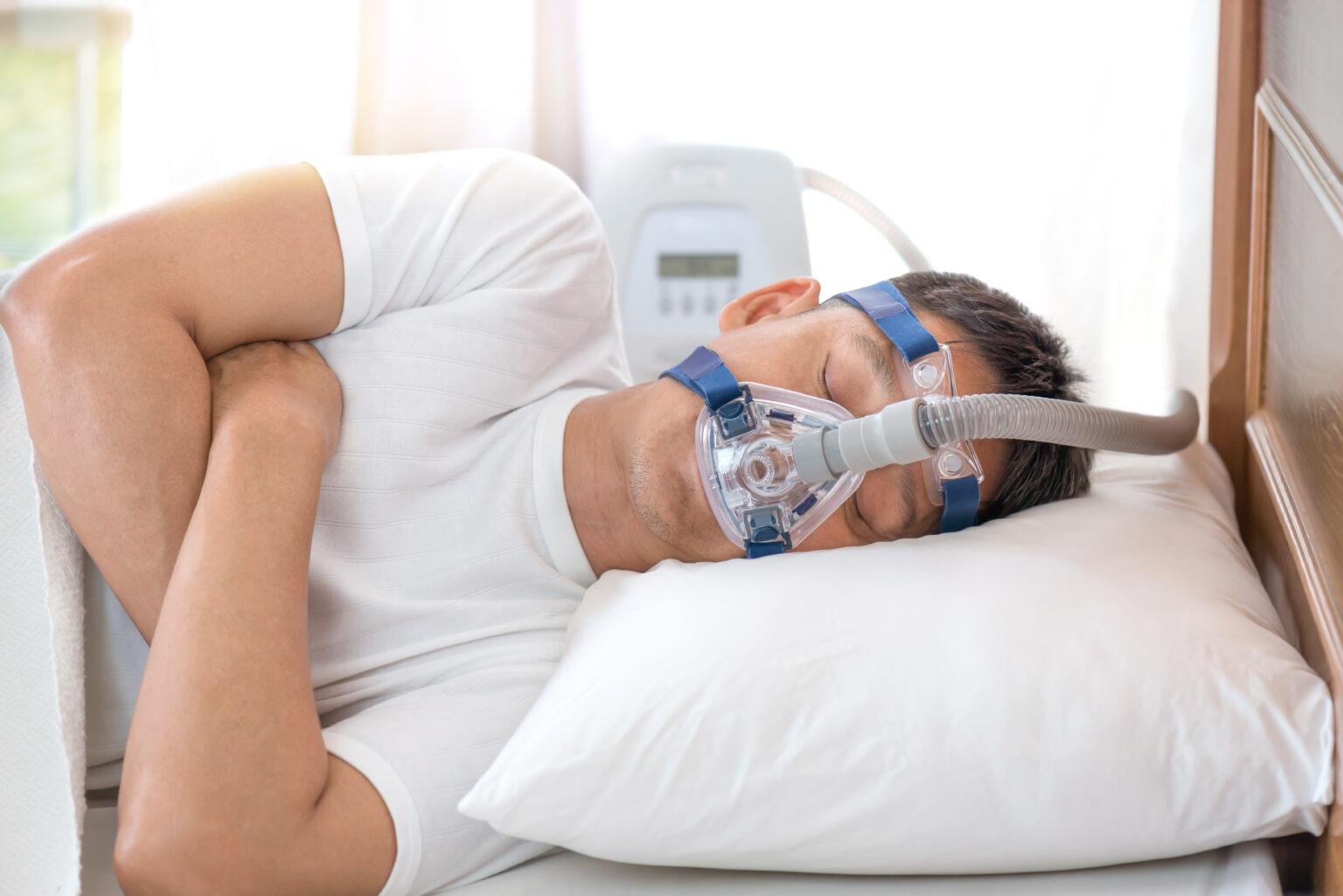
Whether you suspect you might have sleep apnea or you have already been diagnosed with this sleep disorder, one of the first questions that comes to mind is whether it can be cured. In most cases, sleep apnea cannot be permanently cured. That said, the right combination of treatment options can manage and control it effectively.
A good starting point for exploring treatment options is your dentist. A dental provider can often identify less invasive therapies suited to your needs, with the goal of reducing or eliminating the symptoms you are experiencing.
Can Sleep Apnea Go Away Without Treatment?
In adults, sleep apnea rarely improves on its own unless deliberate steps are taken to support better breathing during sleep. Without treatment, the condition typically persists, and poor sleep quality, along with potentially serious health complications, can follow.
In certain cases, specific interventions, such as surgical modification of tissue near the airway or significant weight loss, may resolve the severe airway blockages responsible for sleep apnea. For most people, though, the condition does not disappear naturally. Instead, targeted treatment approaches can meaningfully reduce its effect on overall health and well-being. Although a full resolution is possible for some, most adults find that sleep apnea symptoms need to be managed on an ongoing basis.
Is There a Permanent Cure for Sleep Apnea?
A true, permanent cure for sleep apnea is uncommon. Even so, a range of management options can reduce the disorder’s effect on daily life to little or nothing. These approaches include:
- Wearing a mouthguard or nightguard
- Using a custom-fitted oral appliance
- CPAP or PAP therapy
- Taking decongestants
- Undergoing surgery
That said, some patients are able to eliminate their sleep apnea for good through weight loss and other lifestyle changes.
Answers to Common Sleep Apnea Questions
What Are the Risks of Leaving Sleep Apnea Untreated?
When sleep apnea goes unaddressed, its side effects can disrupt daily life by affecting both overall health and productivity. Untreated sleep apnea may potentially lead to issues such as:
- Reduced energy along with lower work performance and productivity
- Mood swings and anxiety
- Increased irritability
- Diabetes, resulting from the body’s reduced ability to regulate insulin
- Hypertension, as the heart must work harder to pump oxygen through the body during sleep
What Leads to Sleep Apnea?
In simple terms, sleep apnea involves a partial or complete pause in breathing during sleep. This forces the body to work harder for oxygen, prompting the brain to trigger a brief awakening so normal breathing can resume.
In some cases, sleep apnea occurs when the throat muscles relax too much and block the upper airway, preventing oxygen from reaching the lungs. In other cases, it stems from faulty brain signaling that produces intermittent pauses in breathing.
How The Smile Architects Can Help With Sleep Apnea
At The Smile Architects, our focus extends beyond healthy, bright smiles to your overall well-being. If you notice symptoms of sleep apnea or suspect you may have this condition, bring it up with one of our dental care providers as soon as possible. We may be able to help you find solutions that get your sleep, and your health, back on track. Call 704-875-1621 today to schedule an appointment.