
Medically Reviewed by Dr. Jim Meletiou, DDS on September 22, 2026
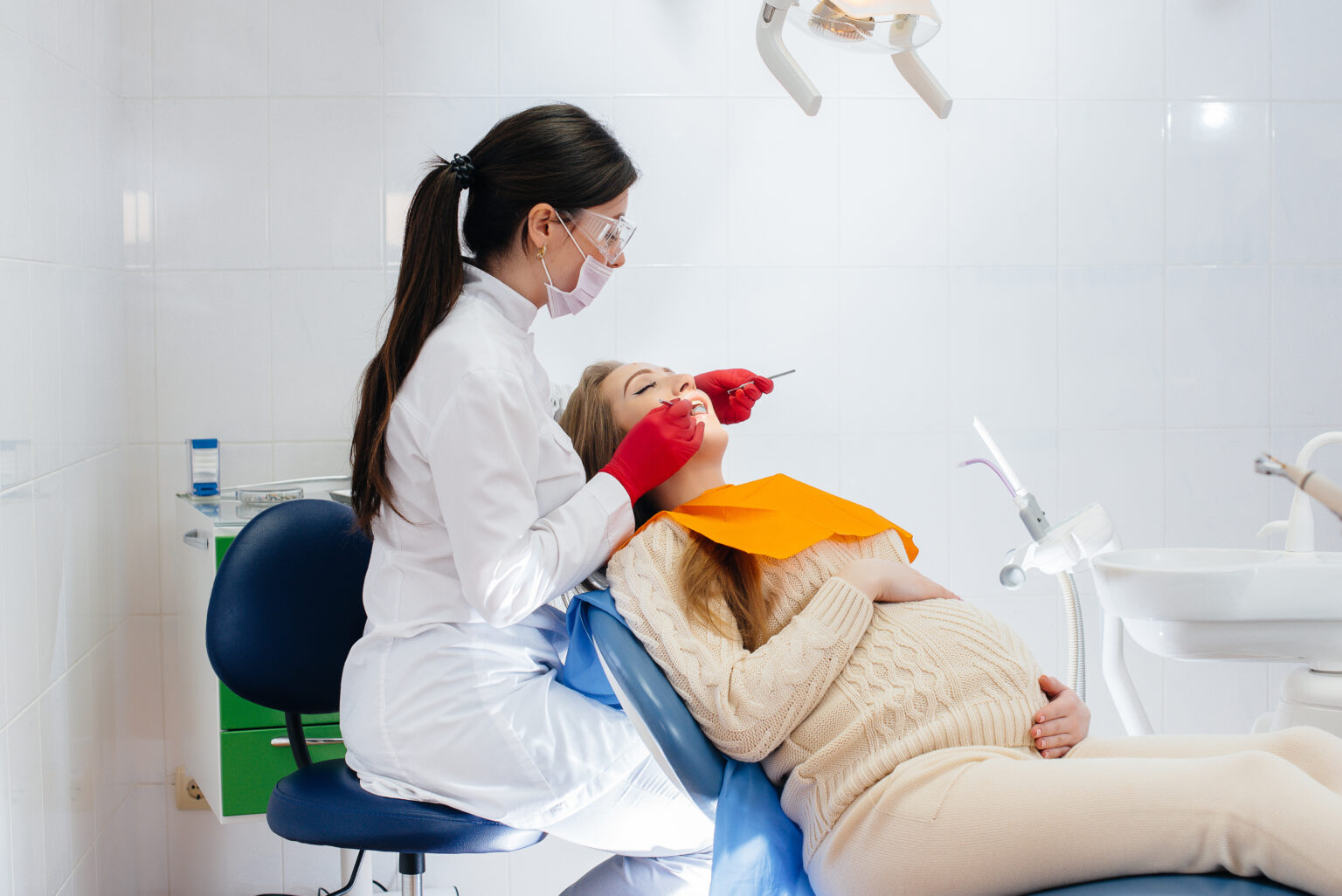
Yes, in most cases a root canal can be performed safely during pregnancy. Dental infections do not wait for a convenient trimester, and treating an infected tooth generally poses far less risk to you and your baby than leaving the infection untreated.
For teeth that have become severely infected or abscessed, a root canal is often the most effective way to avoid extraction or losing the tooth altogether. This procedure can benefit anyone, including women who are pregnant, particularly when untreated cavities or cracked and chipped teeth allow bacteria to reach the inside of the tooth and cause an infection. Left untreated, that kind of infection can lead to severe pain, swelling, and in rare cases can spread beyond the tooth. This article covers general information only. Every pregnancy is different, so always talk with both your dentist and your obstetric provider before any dental treatment.
What Dental and Medical Authorities Say About Treatment During Pregnancy
The American Dental Association notes that preventive, diagnostic, restorative, and surgical dental treatment rendered to promote oral health and eliminate disease is considered safe throughout pregnancy, a position supported by the American College of Obstetricians and Gynecologists. Delaying necessary treatment for an infected tooth can carry more risk to a pregnant patient than the procedure itself, since an untreated infection can worsen over time.
The Best Time During Pregnancy for Dental Treatment
While a root canal can be performed safely in any trimester when treatment is necessary, the second trimester, roughly weeks 14 through 27, tends to be the most comfortable window for most patients. Morning sickness has typically eased by that point, and the risk of triggering early contractions during longer procedures is lower than it is later in pregnancy. That said, an active infection should not simply wait for a preferred trimester. If you are in significant pain, reach out to your dentist promptly regardless of how far along you are.
Anesthesia Options for Root Canals During Pregnancy
During a root canal, dentists typically use a local anesthetic to keep pain signals from reaching the treatment area. This anesthesia is applied directly to the tooth and surrounding gum tissue rather than throughout the body, and standard dental doses of local anesthetics such as lidocaine are generally considered safe for pregnant patients. Your dentist will review your medical history and pregnancy details with you before recommending a specific approach.
Understanding X-Rays Before a Root Canal
Before performing a root canal, dentists usually need an X-ray to evaluate the extent of the problem and examine the tooth’s roots. A single dental X-ray exposes an unborn baby to very little radiation, since the machine is aimed at the mother’s jaw rather than her abdomen. A lead apron placed over the abdomen during the X-ray provides an additional layer of protection. Your dental team can walk you through the specific safety measures used in our office if you have concerns.
Weighing the Risks and Benefits
As with many treatments and medications used during pregnancy, you and your providers need to weigh the potential risks alongside the potential benefits before deciding how to proceed. In most cases, the benefits of treating an infected tooth during pregnancy outweigh the risks of the procedure itself, since an untreated infection can affect your comfort, nutrition, and overall well-being at a time when both matter more than ever.
Signs of a Dental Infection Worth Discussing With Your Provider
Pregnancy hormones can make gums more prone to inflammation, which sometimes makes it harder to tell ordinary sensitivity apart from a genuine infection. Symptoms that warrant a prompt conversation with your dentist include lingering pain when you bite down, swelling in the face or gum near a specific tooth, a foul taste that does not go away with brushing, or pain that wakes you up at night. None of these symptoms confirm a root canal is needed on their own, but they are worth having evaluated rather than waiting out.
How to Avoid Needing a Root Canal During Pregnancy
Keeping up with daily oral hygiene is one of the best ways to prevent the tooth decay that can eventually lead to a root canal. Limiting foods high in sugar, along with acidic drinks such as soda and fruit juice, can also help protect your teeth. Pregnancy hormones can make gums more sensitive to plaque, so scheduling a dental checkup early in pregnancy allows your dentist to examine and clean your teeth before small issues become larger ones. Our article on the common myths about root canals covers more about what the procedure actually involves.
Frequently Asked Questions About Root Canals During Pregnancy
Is it safe to get a root canal while pregnant?
In most cases, yes. Dental authorities generally consider root canal treatment safe throughout pregnancy, and leaving an infected tooth untreated typically carries more risk than the procedure itself. Always confirm your specific situation with your dentist and obstetric provider.
Which trimester is best for a root canal?
The second trimester is generally the most comfortable window for non-emergency dental treatment, but an active infection should be addressed promptly regardless of trimester rather than waiting.
Are dental X-rays safe during pregnancy?
A single dental X-ray involves very little radiation exposure to an unborn baby, and a lead apron placed over the abdomen adds further protection. Your dental team can explain the safety measures used before any imaging is taken.
What happens if I wait to treat an infected tooth until after delivery?
An untreated infection generally does not resolve on its own and can worsen over the course of a pregnancy, potentially leading to more pain and a higher risk of complications than treating it promptly would have caused.
What other treatment options exist besides a root canal?
If a root canal is not performed, the remaining options are generally limited to extracting the damaged tooth or letting it fail naturally. Extraction is usually not preferred, since a missing tooth can allow neighboring teeth to shift out of alignment over time.
Root Canal Care at The Smile Architects
When you turn to the team at The Smile Architects in Huntersville, NC for help with your dental needs, you can count on us to share clear, honest information and support you in making sound health decisions for you and your baby. Contact our office to schedule an evaluation if you are experiencing tooth pain during pregnancy.
About the Author
Dentist, The Smile Architects
Dr. Jim Meletiou is a graduate of the University of Iowa College of Dentistry, where he later taught Oral Diagnosis and Radiology. He brings decades of clinical experience to patients at The Smile Architects in Huntersville, NC.