
Medically Reviewed by Dr. Jim Meletiou, DDS on September 22, 2026
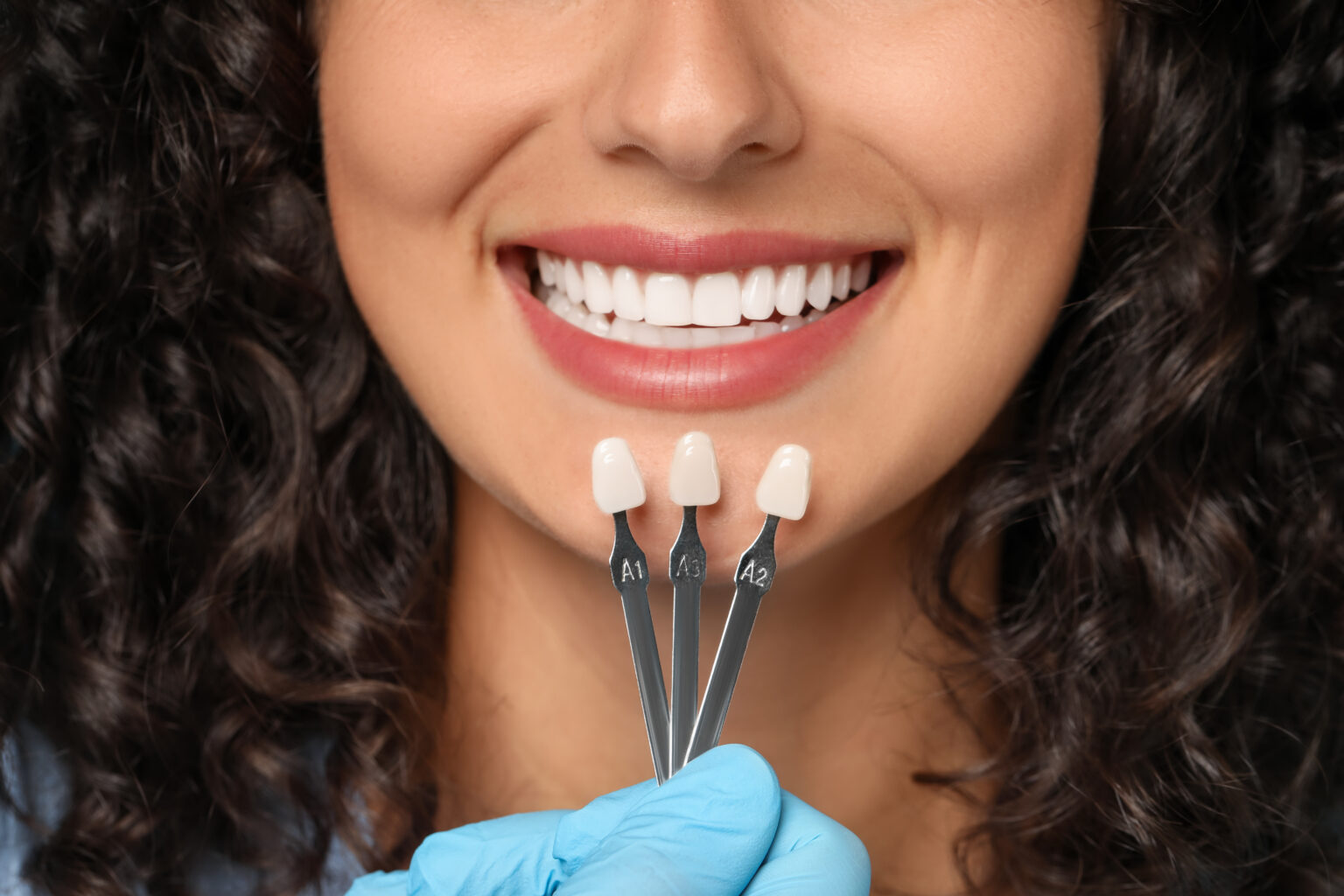
For most patients with chips, gaps, cracks, or discoloration they would like to correct, dental veneers are worth the investment. They can transform the look of a smile in as few as two visits, and the results generally hold up well for a decade or longer with proper care.
Whether dental veneers are the right choice for you still depends on your specific goals, budget, and the condition of your teeth. Talking through your options with your dental provider at The Smile Architects is the best way to find out whether veneers make sense for your smile.
What Dental Veneers Actually Fix
Veneers are thin shells, typically made from porcelain or composite resin, that bond to the front surface of a tooth. They are most often used to address chipped or cracked teeth, gaps between teeth, permanent discoloration that does not respond to whitening, and teeth that are slightly misshapen or uneven in length. Because they cover only the visible surface, veneers work best on teeth that are otherwise structurally healthy.
Benefits That Come With Dental Veneers
Veneers offer a range of benefits, among them the following:
- Built to last: Veneers are made to withstand daily wear and typically hold up well for ten years or more with good oral hygiene.
- Stain resistance: Porcelain veneers in particular stand up well against many types of stains, making them a solid choice for teeth that cannot be whitened through other methods.
- Added protection: Because veneers cover the front surface of the teeth, they can help shield that surface from acids and bacteria.
- Fast results: Most veneer cases are completed in two visits, which is considerably quicker than orthodontic treatment for correcting the appearance of misaligned teeth.
Many patients also find that veneers boost their confidence simply by giving them a smile they feel comfortable showing in photos and everyday conversation.
Trade-Offs to Consider With Dental Veneers
As with any treatment option, dental veneers come with a few trade-offs, including:
- Cost: Porcelain veneers can run up to $2,000 or more per tooth, depending on the material and the complexity of your case, and they are generally considered a cosmetic expense rather than one covered by dental insurance.
- Potential for chipping or cracking: Porcelain veneers can crack or chip under enough force, while composite veneers can crack, chip, or pick up stains over time.
- A permanent change: Once veneers are placed, a thin layer of enamel has typically been removed to make room for them, so there is no returning to your natural, unaltered tooth surface.
Understanding these trade-offs upfront helps you weigh the investment against the results you are hoping to achieve.
Veneers Compared to Whitening and Bonding
According to the Cleveland Clinic, veneers are a cosmetic treatment that improve how a smile looks without necessarily strengthening or repairing the tooth underneath. That distinction matters when you are comparing veneers to other cosmetic options. Teeth whitening can brighten a smile but cannot change a tooth’s shape or hide a chip. Cosmetic bonding can repair small chips at a lower cost, but it does not resist staining as well as porcelain and generally needs to be touched up sooner. Veneers tend to be the better fit when several concerns, color, shape, and spacing, need to be addressed at the same time.
Common Questions About Dental Veneers
Key Questions to Ask Before Getting Veneers
Before deciding to move forward with veneers, it can help to ask your dentist a few important questions, such as:
- Can I see examples of veneer cases you have completed that are similar to mine?
- How many patients have you treated with veneers so far?
- Can I preview what my veneers may look like before they are permanently placed?
Is Gum Contouring Sometimes Necessary With Veneers?
In some cases, contouring the gums before or after veneers are placed can lead to a better cosmetic result. Doing so can create more symmetry and make shorter teeth appear longer. Most gum contouring does not cause significant additional discomfort. On rare occasions, more involved contouring may be needed if the teeth are especially short, and we will refer you to a periodontist for that portion of care.
How Long Do Veneers Typically Last?
With consistent brushing, flossing, and regular dental visits, porcelain veneers commonly last 10 to 15 years before they need to be replaced. Avoiding habits like nail-biting or chewing on ice can help them last even longer, since these habits put extra stress on the edges of the veneer.
Caring for Your Veneers Once They Are Placed
Veneers do not require any special products beyond what you already use for healthy teeth. Brushing twice a day, flossing daily, and keeping up with routine cleanings and exams protect both your veneers and the natural teeth around them. Because porcelain is highly stain resistant, coffee and red wine are less of a concern than they are with natural enamel, though you should still avoid biting down on hard items such as ice, pens, or fingernails, since enough force can chip the edge of a veneer.
If you grind your teeth at night, mention this during your consultation. A custom nightguard can protect both your veneers and your natural teeth from the extra wear that grinding causes over time.
Frequently Asked Questions About Dental Veneers
Are dental veneers worth the cost?
For many patients, yes. Veneers can correct chips, gaps, and discoloration in as few as two visits and typically last a decade or more, which makes the upfront cost worthwhile for the results and durability they provide.
Do veneers ruin your natural teeth?
Veneers do require removing a thin layer of enamel so the shell can bond properly, which is a permanent change. The remaining tooth structure is not damaged when the procedure is performed correctly, but you cannot go back to the unaltered tooth surface once enamel has been removed.
How many veneers do most patients get?
Some patients choose a single veneer to correct one chipped or discolored tooth, while others select six to eight veneers across the front teeth for a more complete smile makeover. Your dentist can help determine the right number based on your goals.
Are veneers better than teeth whitening?
Whitening and veneers solve different problems. Whitening can brighten teeth that are simply stained, while veneers can also correct shape, spacing, and chips that whitening cannot touch. Many patients only need veneers when whitening alone will not achieve the look they want.
Find Out More About Dental Veneers at The Smile Architects
Let the dental team at The Smile Architects help determine whether you are a good candidate for dental veneers. We can perform a thorough oral exam, talk through your treatment goals, and go over the options that best fit your smile, situation, and budget. Contact our office to schedule a cosmetic consultation.
About the Author
Dentist, The Smile Architects
Dr. Jim Meletiou is a graduate of the University of Iowa College of Dentistry, where he later taught Oral Diagnosis and Radiology. He brings decades of clinical experience to patients at The Smile Architects in Huntersville, NC.